Historic Villas to Visit for Vacation
Villas have their origins back in time, ever since the Romans built their summer residences outside of the city to escape from the summer heat. The tradition continued through the ages to today, where many families still possess a home in the city and one in the countryside.
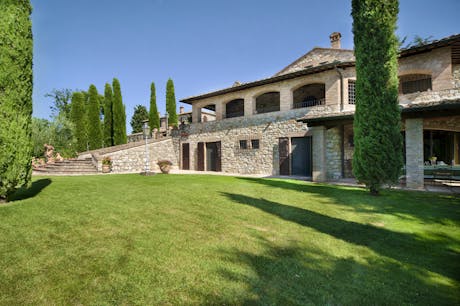
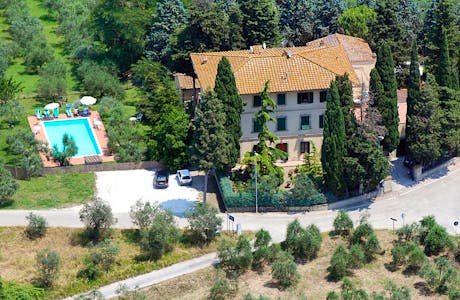
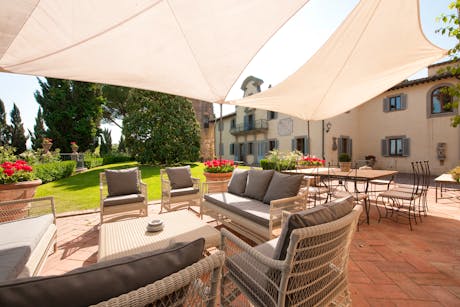
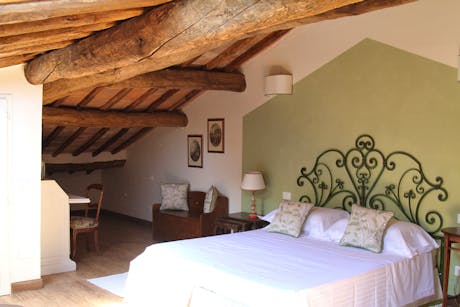
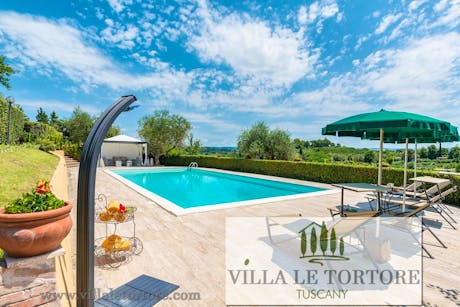
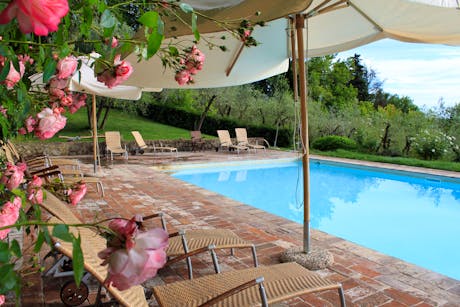
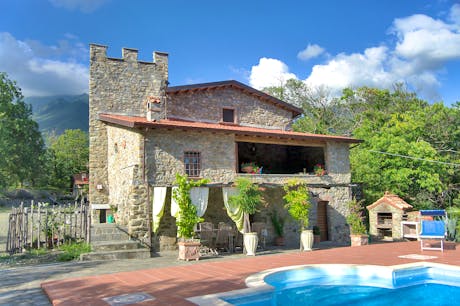
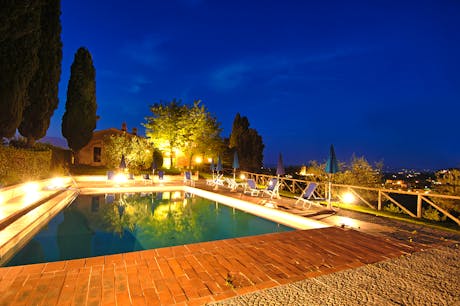
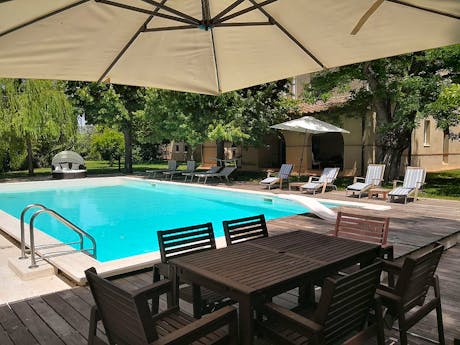
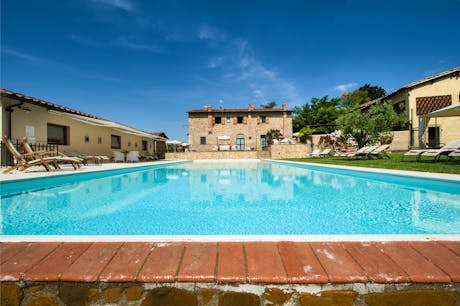
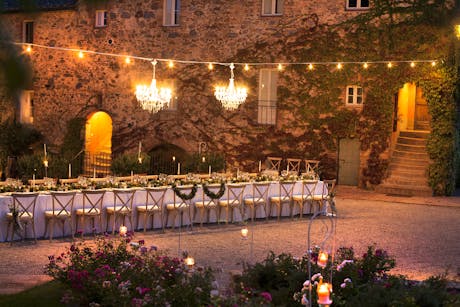
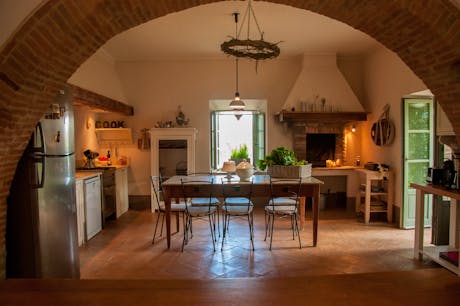
Today, many villas in Tuscany are offered as holiday home rentals by their owners. Generally rented as a whole suitable for families or larger groups, there are many Tuscan villas that have been divided up into several apartments or flats that are perfect for a couple or small families. Many villas have permanently been converted into hotels or bed and breakfasts, offering guests the possibility to experience a holiday that seems to be at the country estate of a distant member or friend of the family.
Medici Villas and Unesco
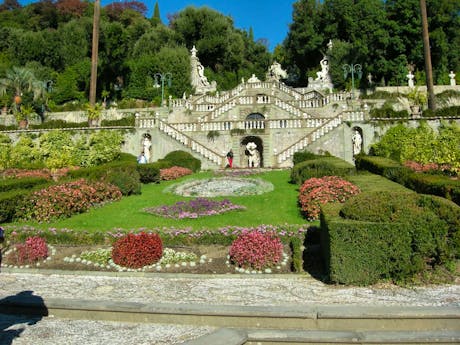
There are 12 Medici villas in Tuscany which have been designated UNESCO Sites: Florentine Villas of Careggi, La Petraia, Castello and Poggio Imperiale, Belcanto Villa in Fiesole, Poggio a Caiano, Villa in Prato, Villa in Cerreto Guidi, Villa La Magia (near Pistoia), Villa di Artimino (Carmignano, near Prato), Cafaggiolo, Villa del Trebbio and Palazzo di Seravezza in Lucca.
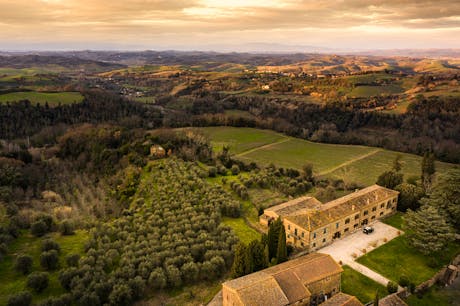
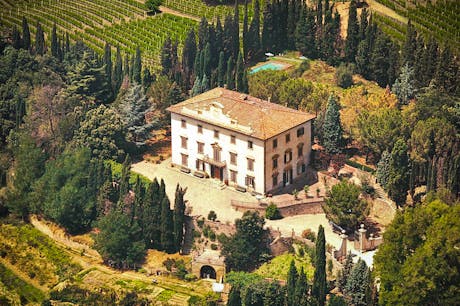
Though these stately manors and villas are not open as independent holiday rentals, they are open to the public for concerts and touring both the grounds and the buildings. Yet there are several prestigious villas like those named above that have been restored and restructured as vacation homes and villas for rent. Close to Florence is the Villa Medicea di Lilliano, with is sunny gardens or close to Siena is Villa Vianci, with stupendous views of the Chianti countryside.
A little bit of history on villas...
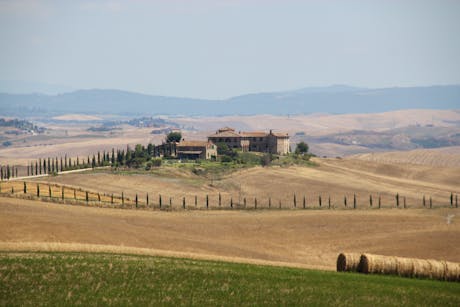
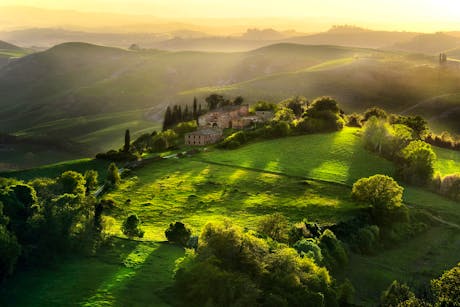
During the Middle Ages when there were frequent clashes between factions and political upheavals in towns, prudent families had a country estate in which to take refuge. Villas were generally built outside of a village and had no military function; that is, the house itself needed no particular defense such as those a castle or fortress of older times. An itinerary in Tuscany, will take you by many beautiful villas.
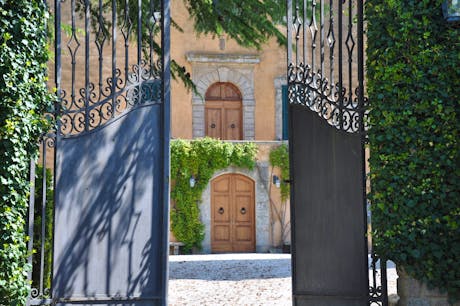
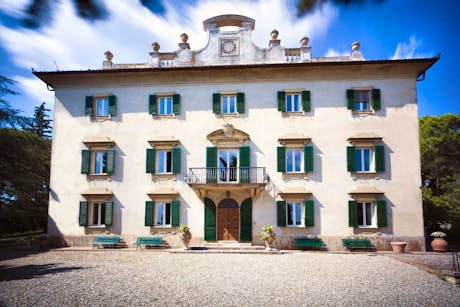
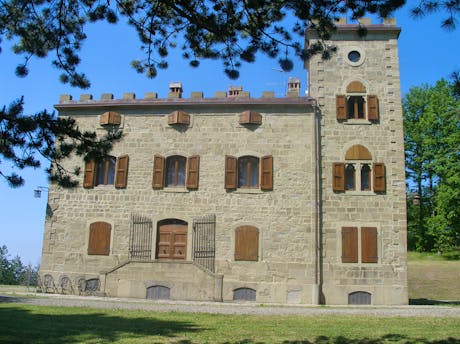
So the old design of the fortress with towers, thick walls and slit windows was toned down and decorative details were added, blending well with smooth plastered walls, internal courtyards with a well and arches. The architecture of these "domestic castles" became an example to copy and improve on, the results of which we see in the classic and elegant forms Tuscan villas have taken across time across all of Tuscany, and Italy for that matter.