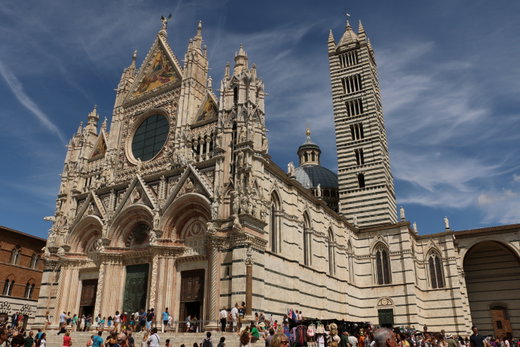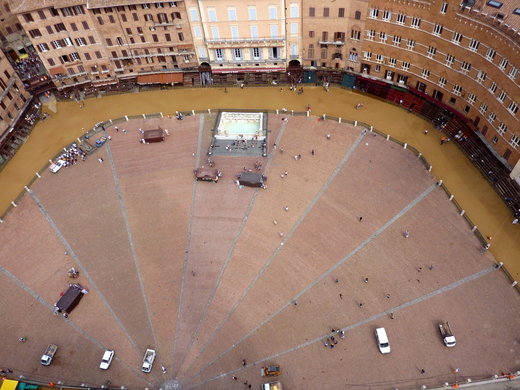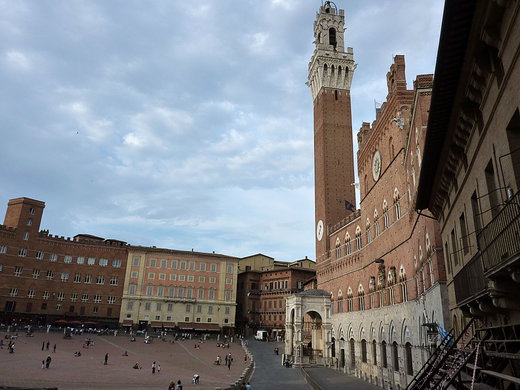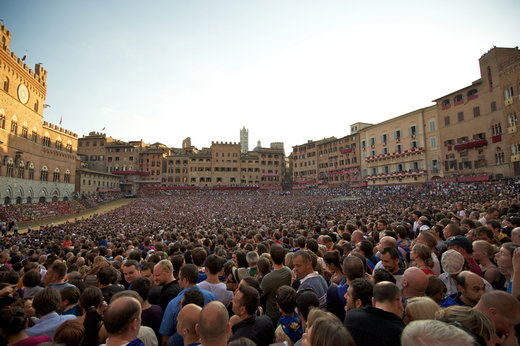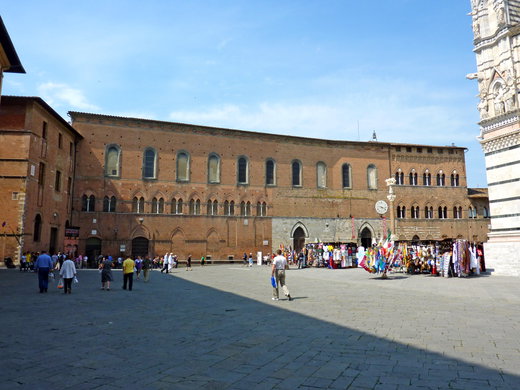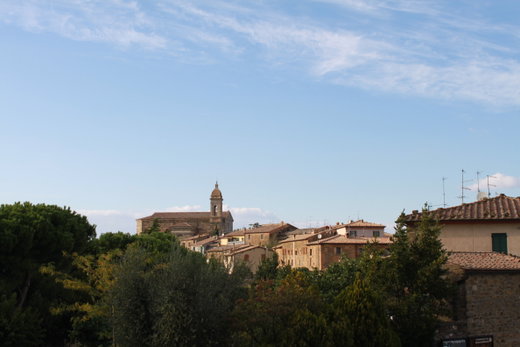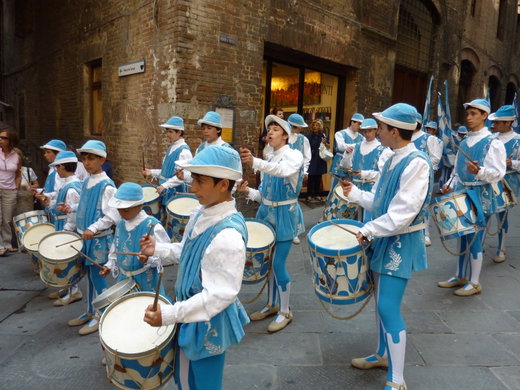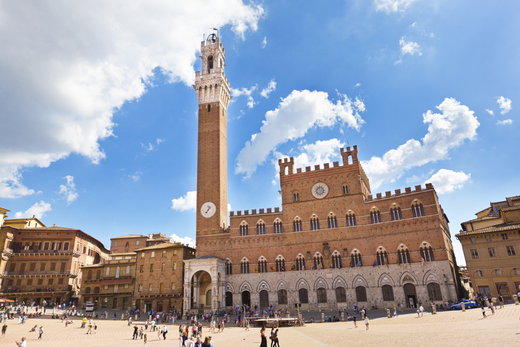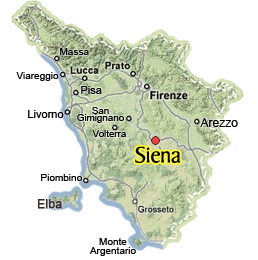
Siena is likely Italy's loveliest medieval city, and a trip worth making even if you are in Tuscany for just a few days. Siena's heart is its central piazza known as Il Campo, known worldwide for the famous Palio run here, a horse race run around the piazza two times every summer. Movie audiences worldwide can see Siena and the Palio in the James Bond movie, Quantum of Solace.
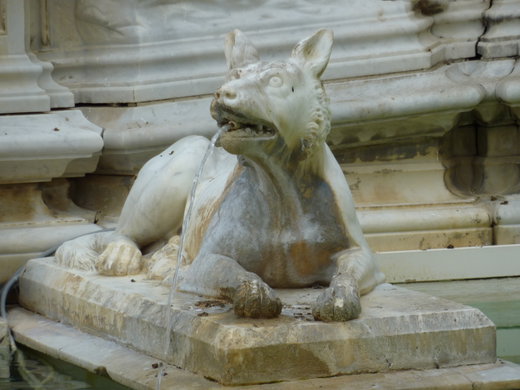
Siena is said to have been founded by Senius, son of Remus, one of the two legendary founders of Rome thus Siena's emblem is the she-wolf who suckled Remus and Romulus - you'll find many statues throughout the city. The city sits over three hills with its heart the huge piazza del Campo, where the Roman forum used to be. Rebuilt during the rule of the Council of Nine, a quasi-democratic group from 1287 to 1355, the nine sections of the fan-like brick pavement of the piazza represent the council and symbolizes the Madonna's cloak which shelters Siena.
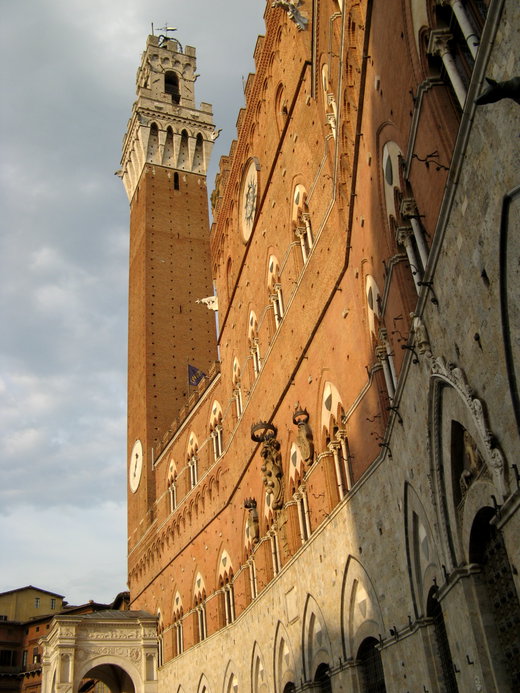
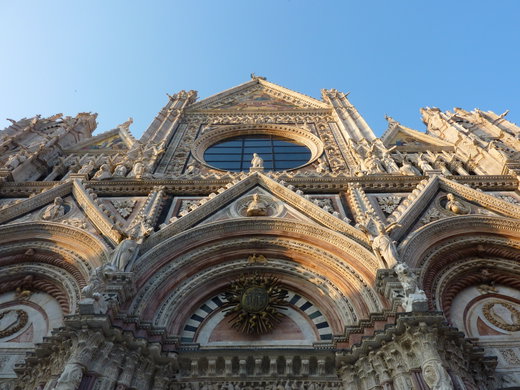
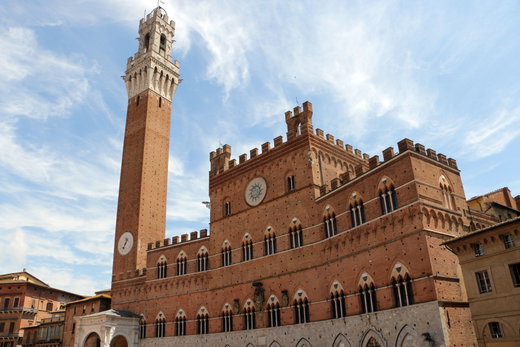
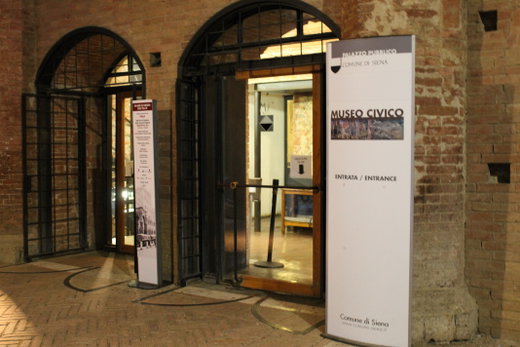
The Campo is dominated by the red Palazzo Pubblico and its tower, Torre del Mangia. Along with the Duomo of Siena, the Palazzo Pubblico was also built during the same period of rule by the Council of Nine. The civic palace, built between 1297 and 1310, still houses the city's municipal offices much like Palazzo Vecchio in Florence. Its internal courtyard has entrances to the Torre del Mangia and to the Civic Museum. If you feel energetic, a climb up the over 500 steps will reward you with a wonderful view of Siena and its surroundings. The Museum, on the other hand, offers some of the greatest of Sienese paintings. The Sala del Concistoro houses one of Domenico Beccafumi's best works, ceiling frescoes of allegories on the virtues of Siena's medieval government. But it is the Sala del Mappamondo and the Sale della Pace that hold the palaces's highlights: Simone Martini's huge Maestà and Equestrian Portrait of Guidoriccio da Fogliano and Ambrogio Lorenzetti's Allegories of Good and Bad Government, once considered the most important cycle of secular paintings of the Middle Ages.